
JLPT Kanji Course
Free

- 210 lessons
- 0 quizzes
- 96 week duration
-
Lesson 1
-
Lesson 2
-
Lesson 3
-
Lesson 4
-
Lesson 5
-
Lesson 6
-
Lesson 7
-
Lesson 8
-
Lesson 9
-
Lesson 10
-
Lesson 11
-
Lesson 12
-
Lesson 13
-
Lesson 14
-
Lesson 15
-
Lesson 16
-
Lesson 17
-
Lesson 18
-
Lesson 19
-
Lesson 20
-
Lesson 21
-
Lesson 22
-
Lesson 23
-
Lesson 24
-
Lesson 25
-
Lesson 26
-
Lesson 27
-
Lesson 28
-
Lesson 29
-
Lesson 30
-
Lesson 31
-
Lesson 32
-
Lesson 33
-
Lesson 34
-
Lesson 35
N4 Kanji 61: 正
Meaning of kanji 正:

In Japanese, 正 means “correct”.
How to read kanji 正:
| Kunyomi | ただ、まさ |
| Onyomi | せい、しょう |
How to write kanji 正:
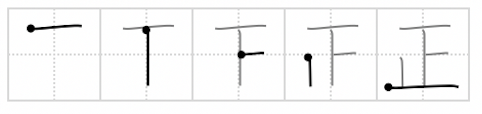
Origin of kanji 正:

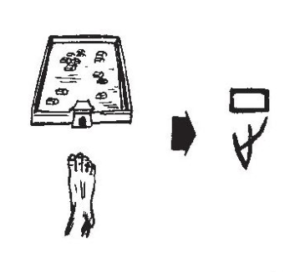
The original meaning of kanji 正 is “to attack”. You can see a country and a foot (stands for soldiers) here.
So you can remember kanji 正 by
“It’s not correct to attack other countries”.
Development of kanji 正:

Vocabulary containing kanji 正:
| Word | Reading | Meaning |
|---|---|---|
| 正しい | ただしい | correct |
| 正月 | しょうがつ | New Year |
| 正に | まさに | exactly |
| 正面 | しょうめん | front |
| 正確 | せいかく | correct |
| 正直 | しょうじき | honest |
| 正 | せい | positive |
| 正式 | せいしき | official |
| 修正する | しゅうせいする | to fix |
| 改正 | かいせい | amendment |
| 正当 | せいとう | legitimate |
| 正義 | せいぎ | justice |
| 正常 | せいじょう | normal |
| 不正 | ふせい | fraud |
| 正体 | しょうたい | identity |
| 正解 | せいかい | correct answer |
| 公正 | こうせい | fair |
| 正規 | せいき | regular |
| 適正 | てきせい | proper |
| 正す | ただす | to correct |
| 訂正 | ていせい | correction |
| 正統 | せいとう | orthodox |
| 矯正 | きょうせい | correction |
| 正午 | しょうご | noon |
| 是正 | ぜせい | correction |
| 正座 | せいざ | sit straight |
| 補正 | ほせい | correction |
| 正気 | しょうき | sane |
| 正門 | せいもん | front gate |
| 正論 | せいろん | justice |
| 端正 | たんせい | neatness |
| 純正 | じゅんせい | genuine |
| 正装 | せいそう | formal wear |
| 校正 | こうせい | proofreading |
| 正史 | せいし | official history |
| 正教 | せいきょう | orthodoxy |
| 正味 | しょうみ | net |
| 厳正 | げんせい | strict |
| 更正 | こうせい | rectification |
Patron-only Contents:

This website won’t exist without Patrons’ support since it’s completely ad-free.
So I made some special contents for Patrons.
It’s a way of saying thank you!
16+


Prev
Review 12: 好心思意考
Next
N4 Kanji 62: 味