Basic Course
Free

- 14 lessons
- 0 quizzes
- 96 week duration
Lesson 10: わをん

In this lesson, we’ll learn the last three hiragana:
わ・を・ん
Let’s finish strong! ✨

わ is pronounced as /wa/.

| Tip | Wow! A magic wand! わ as in “wand”. 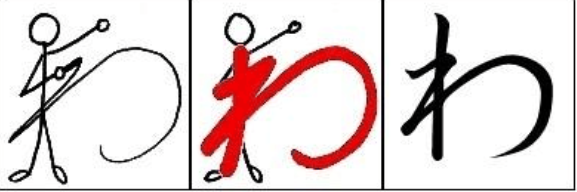 |
| Stroke Order | 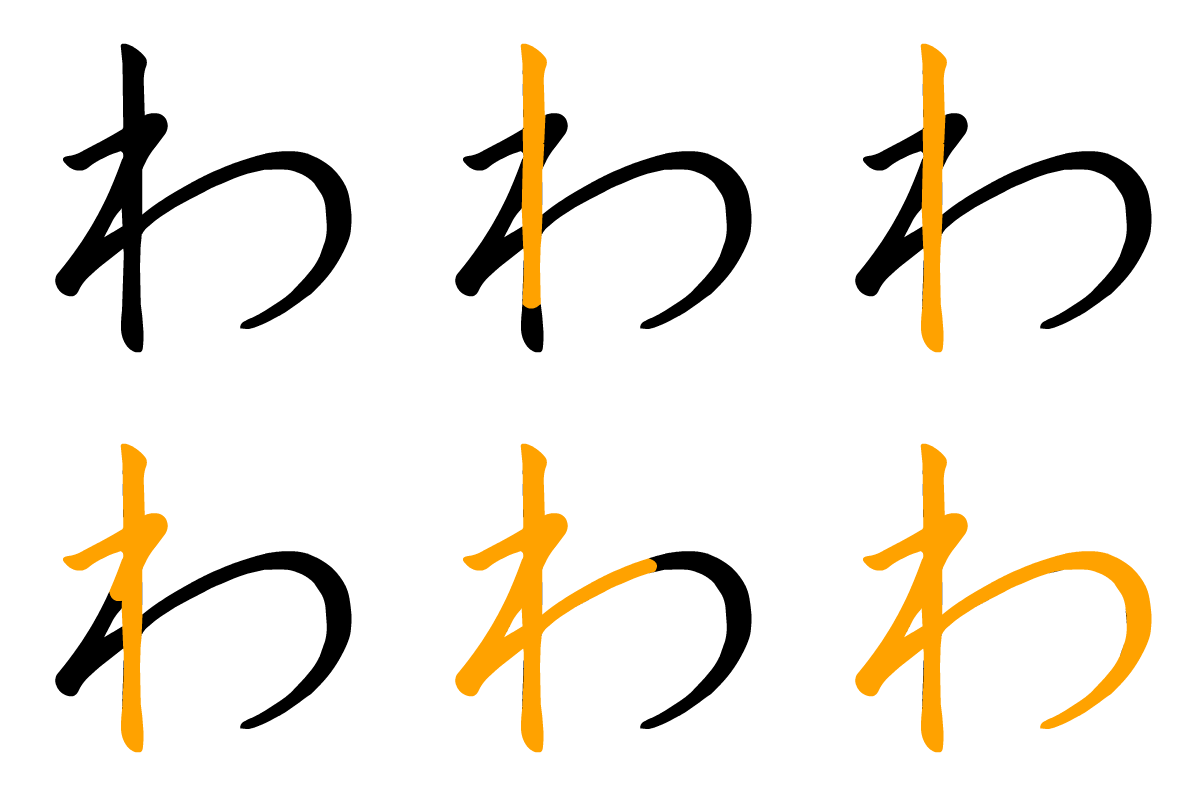 |
| Write it Down | 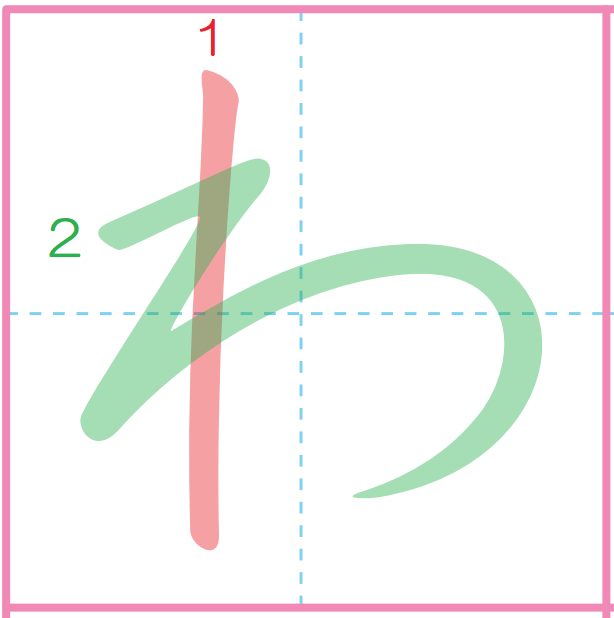 |

を is pronounced as /o/.
| Notes: (1)The romaji for を is “wo” or “o”, but it’s pronounced “o”. (2)About 50% of Japanese people still read it as “wo” for historical reasons, so you can use “wo” if you like! ✨ |
| Tip | Oh!A cheerleader is on my toe!. を as in “Oh”. 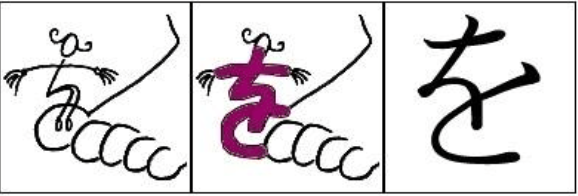 |
| Stroke Order | 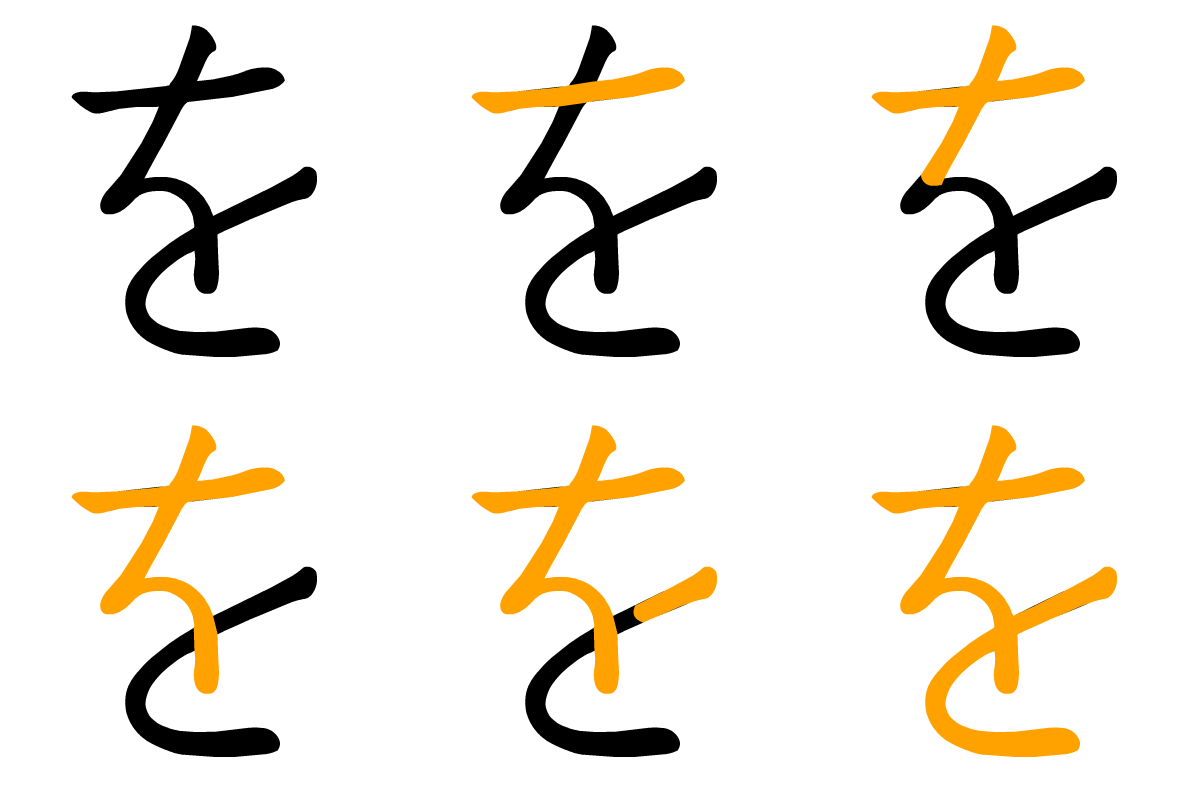 |
| Write it Down | 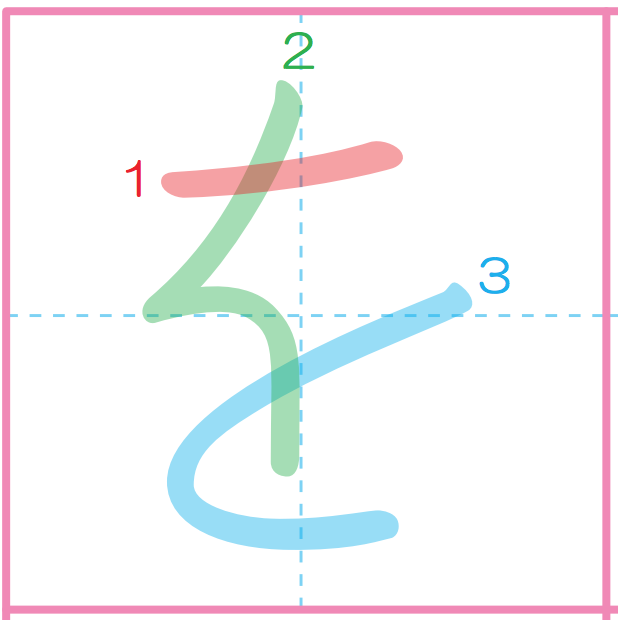 |
ん is pronounced as /ng/.
| Tip | This is in the end. ん as in “end”. 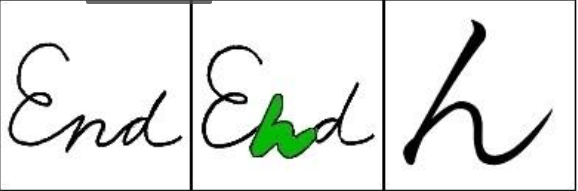 |
| Stroke Order | 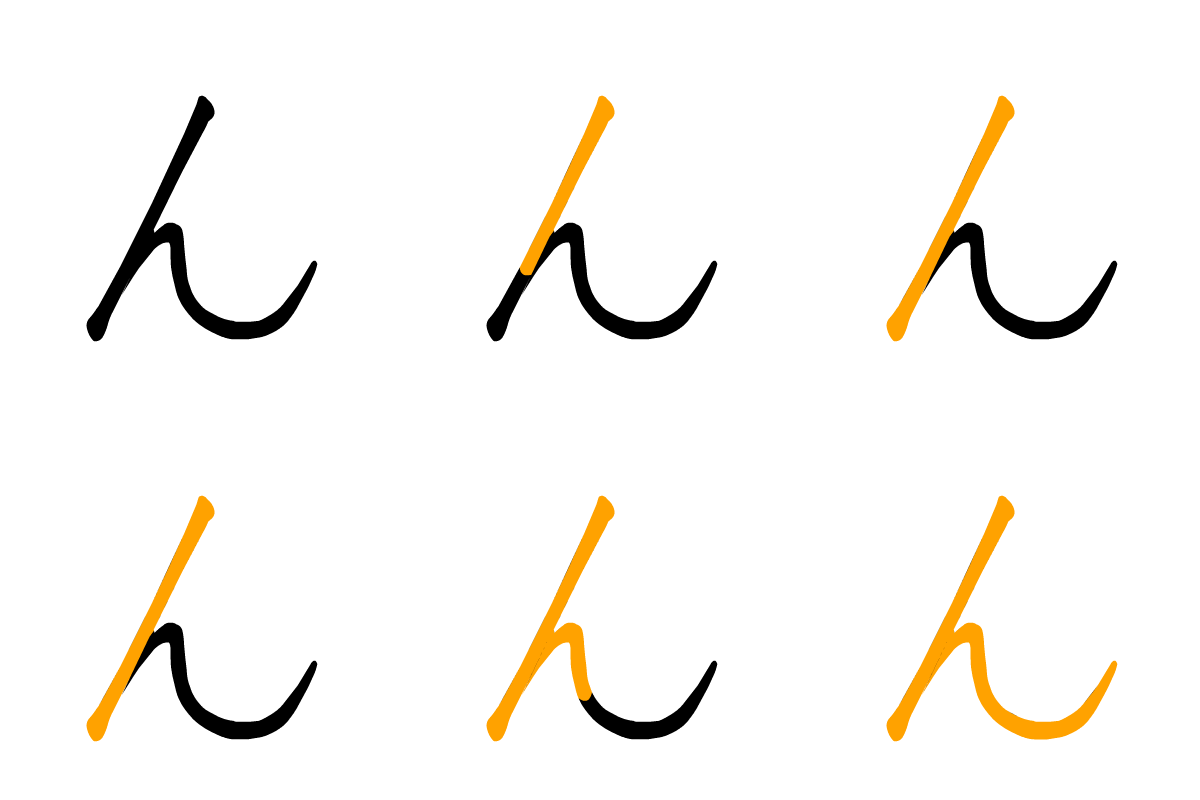 |
| Write it Down | 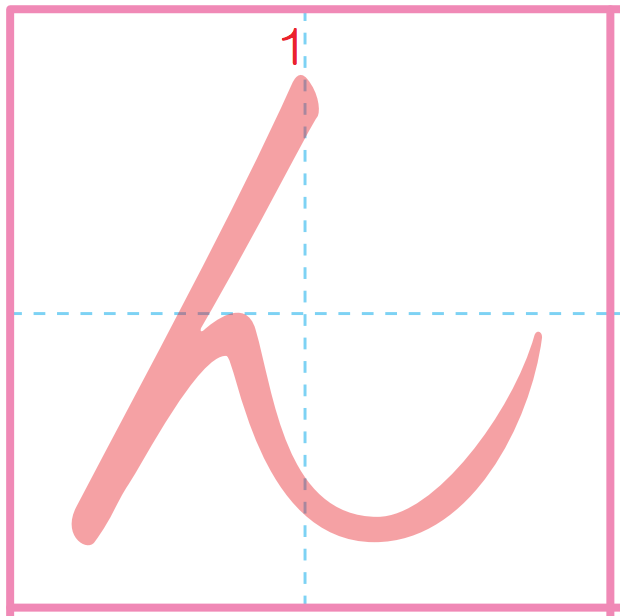 |
Romaji of わをん:
| Hiragana | わ、ん | を |
| Romaji | wa, n | “wo” or “o” |
Note:
| The hiragana を is a little special — it only appears as a particle, not in regular words. You’ll learn all about particles later, so no worries! ✨ |
Vocabulary containing わん:
| Word | Reading | Romaji | Meaning |
|---|---|---|---|
| 泡 | あわ | awa | foam |
| 淡い | あわい | awai | pale |
| 案 | あん | an | plan |
| 岩 | いわ | iwa | rock |
| 運 | うん | un | luck |
| 縁 | えん | en | fate |
| 若い | わかい | wakai | young |
| 脇 | わき | waki | side |
| 枠 | わく | waku | frame |
| わけ | わけ | wake | reason |
| 川 | かわ | kawa | river |
| 皮 | かわ | kawa | leather |
| 怖い | こわい | kowai | scary; scared |
| 触る | さわる | sawaru | to touch |
| 座る | すわる | suwaru | to sit |
| 世話 | せわ | sewa | care |
| 渡す | わたす | watasu | to hand over |
| 渡る | わたる | wataru | to cross |
| 罠 | わな | wana | trap |
| 縄 | なわ | nawa | rope |
| 庭 | にわ | niwa | garden |
| 本 | ほん | hon | book |
| 回す | まわす | mawasu | to turn |
| 回る | まわる | mawaru | to spin |
| 周り | まわり | mawari | around |
| 柔らかい | やわらかい | yawarakai | soft |
| 弱い | よわい | yowai | weak |
| 笑う | わらう | warau | to laugh |
| 悪い | わるい | warui | bad |
Patron-only Content:
Seen enough text? Try learning it through anime clips and DM me any question 👀
1267+


Prev
Lesson 9: らりるれろ
Next
Hiragana Review
